Overview

This project focused on designing a digital identity verification solution tailored to highly regulated industries like banking, insurance, and cannabis. Our team collaborated across product, sales, c-suite and engineering to understand the real-world challenges of identity verification and deliver scalable, compliant, and user-friendly solutions for both end-users and businesses.
Problem Hypothesis

The process of verifying a customer’s identity is cumbersome, costly and time-consuming, resulting in high online abandonment rates, long wait times and lost revenue.

Hypothesis Validation

Methods

  • Interviews: the team held multiple interviews with potential users.
  • Industry research: the team conducted thorough research on the state of digital identity verification in the industry. We also had subject matter experts as part of the team to help inform decisions.
  • Competitor analysis: the team conducted a competitor analysis to understand other players in the industry.

Results & Feedback

  • Identity theft is a real concern with paper-based IDs. Manual processes are costly and time-consuming
  • “Across all the industries that experienced rising fraud in 2021, digital fraud against financial services companies increased the most, rising a staggering 218% compared to the previous year.”
  • There were many digital identity providers, but none who aggregate multiple solutions into one comprehensive, flexible one.
  • Canada lacks a federally regulated digital ID program
  • Enterprises are wary of data privacy risks with third-party vendors

Target Audience

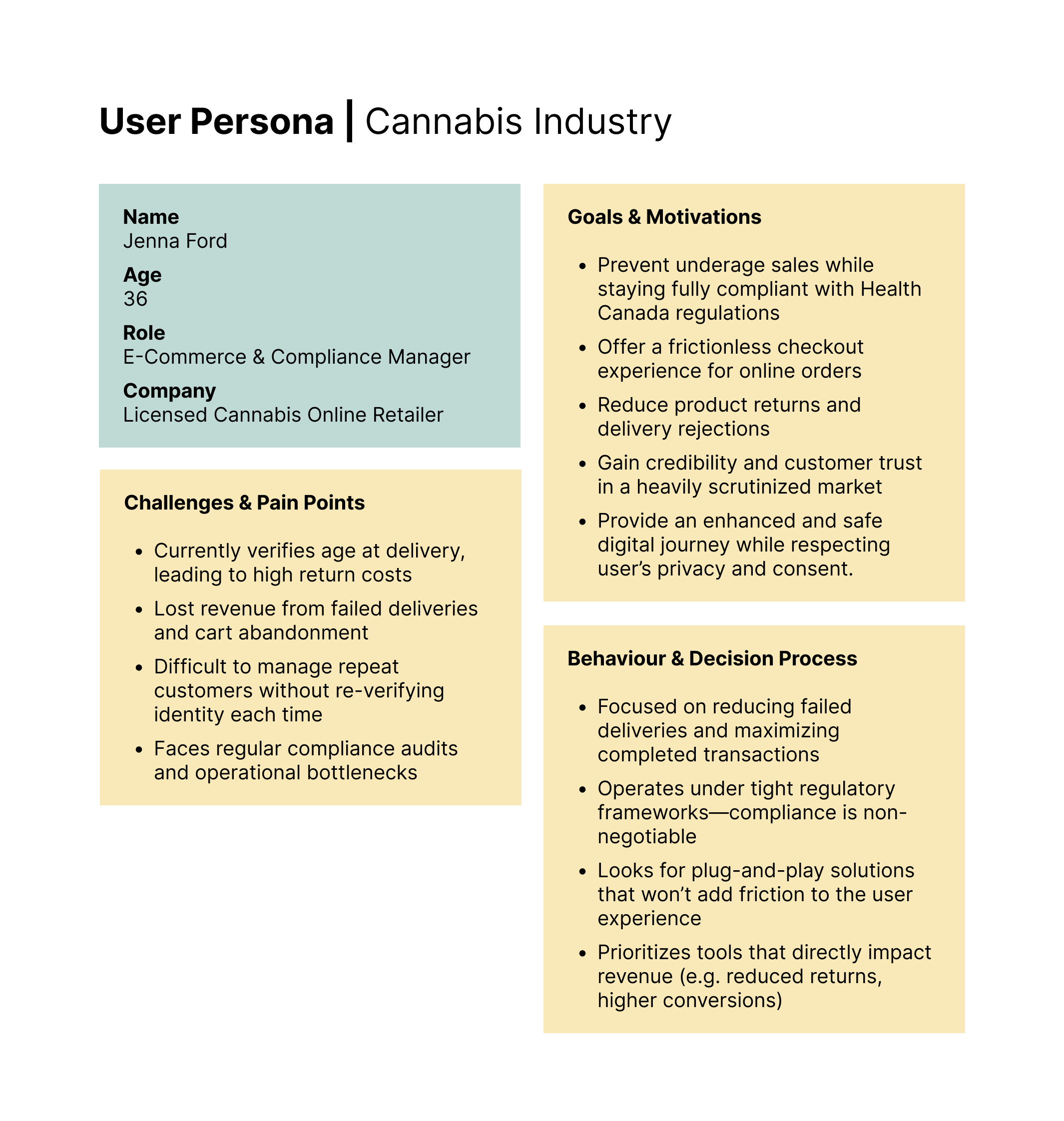
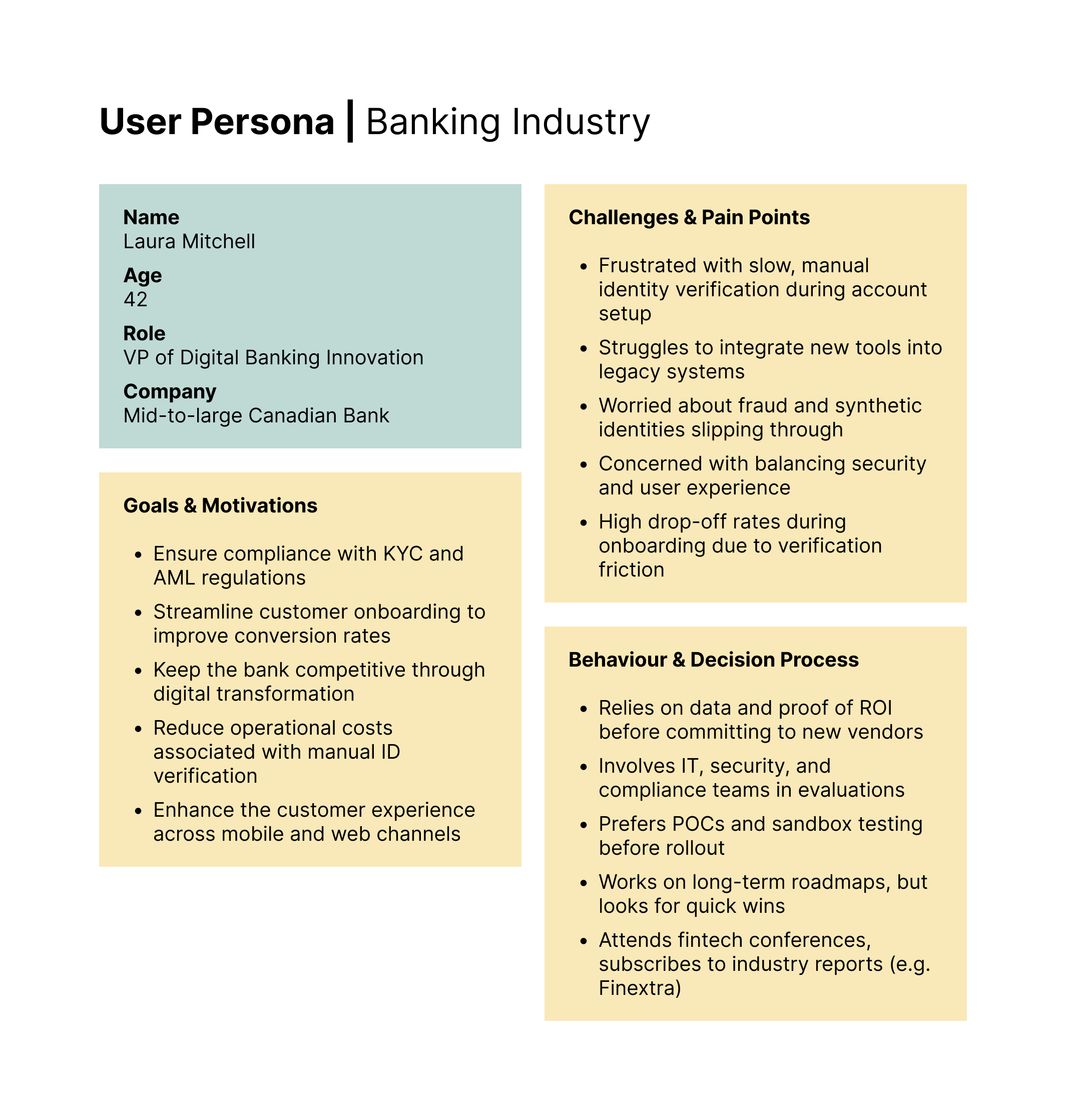
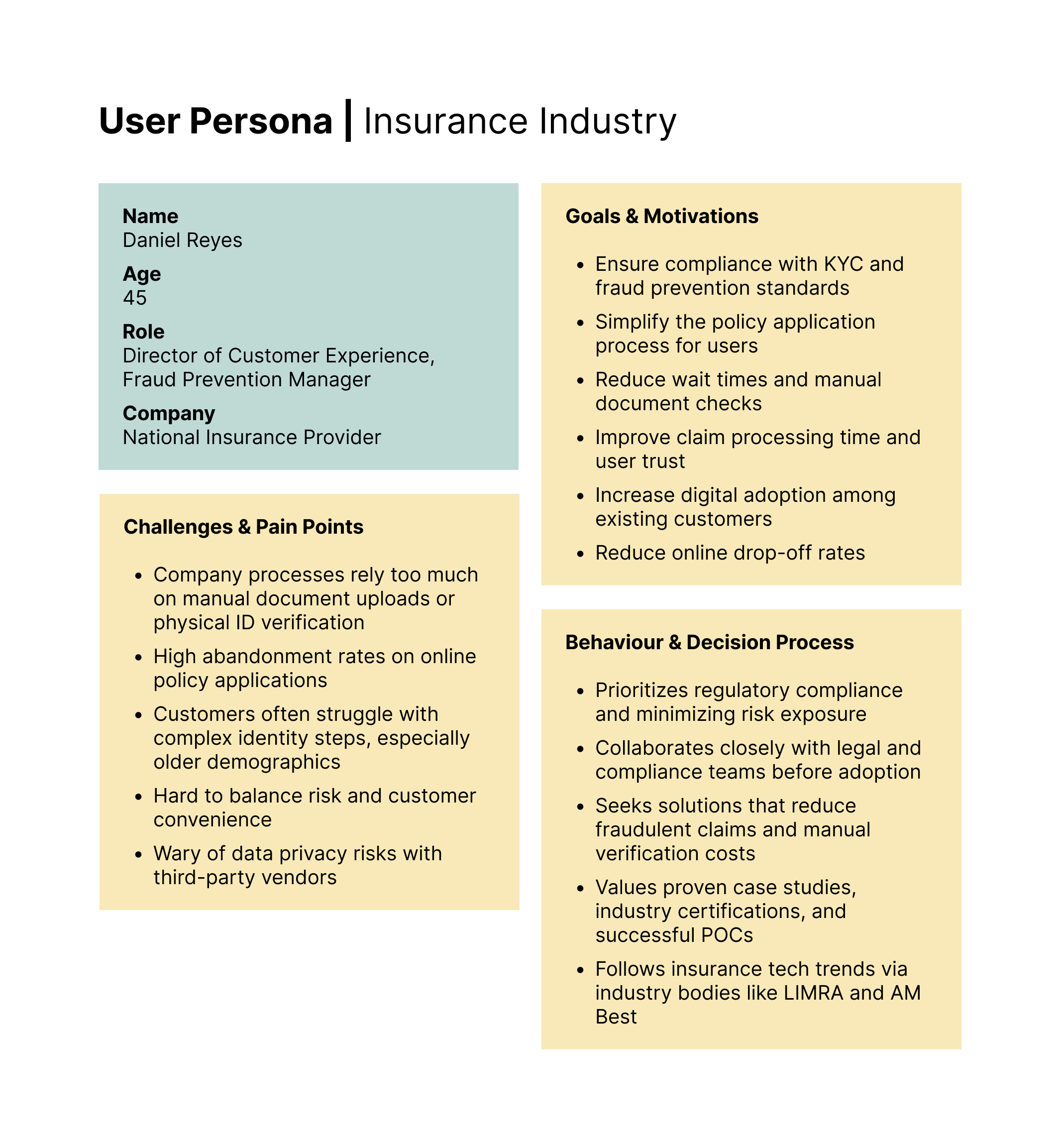
Businesses in any industry that require a secure, fast, and compliant way to verify customer identities online. They want to detect fraud, improve customer experience, and meet regulatory requirements — all without adding friction to their digital flows.

Below are some of the personas we targeted first.

Goal

Create a solution that allows clients to quickly, easily and confidently verify customer’s identity, detect fraud and gather rich data attributes in order to minimize risk and adhere to compliance requirements.

Process

We followed an iterative process of research, design and implementation including the following stages:

  1. Interviews
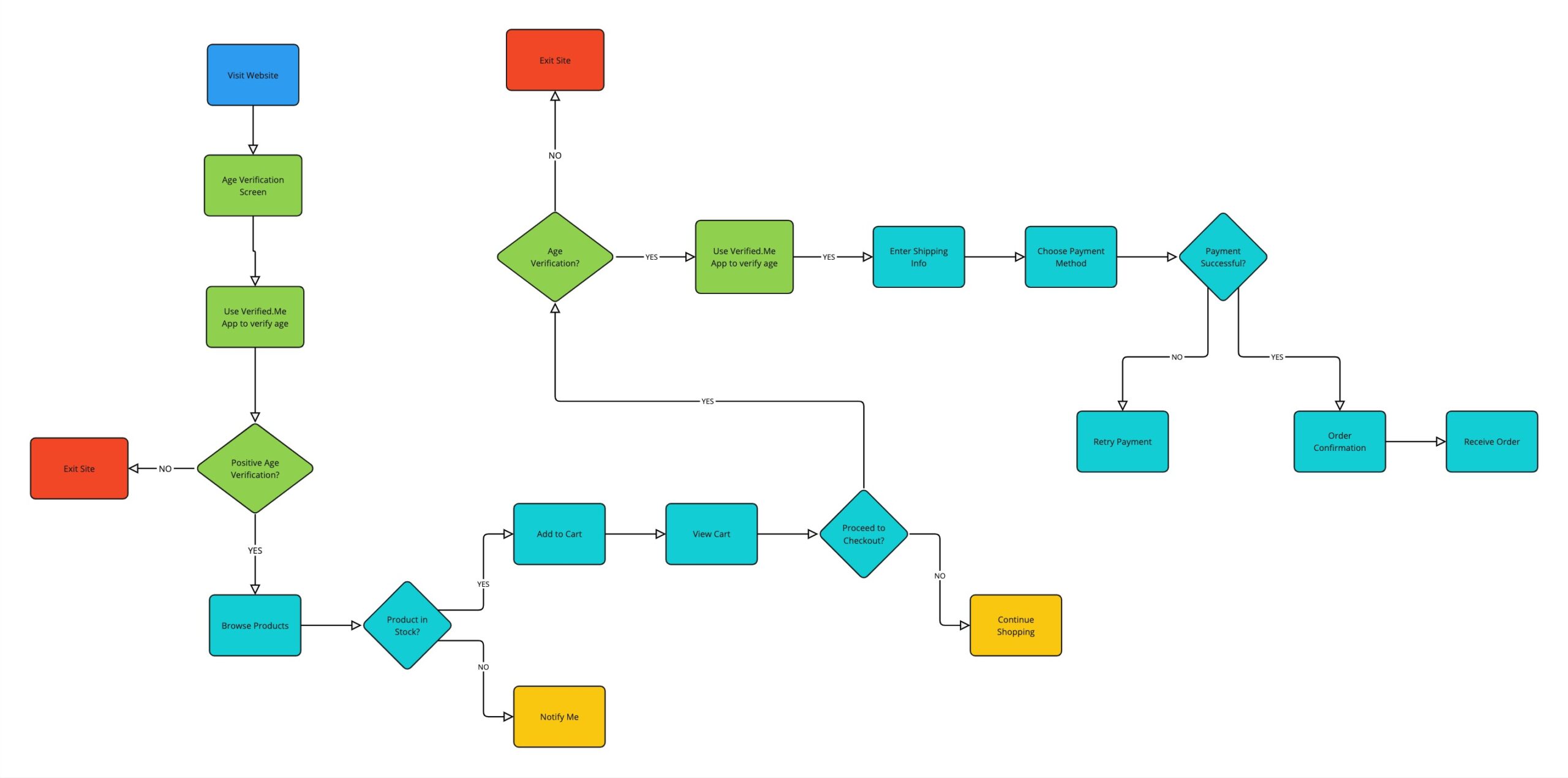
2. User Flows
3. Wireframes
4. Prototype
5. More Interviews
6. POCs
7. More Interviews & Repeat for other use cases

Throughout this project, we explored multiple use cases across various industries, including financial services, insurance, human resources, and cannabis. We applied the same user-centered design process to each.

To keep this case study focused and digestible, I’ve included select highlights from a few of the use cases and POCs we developed during the project.

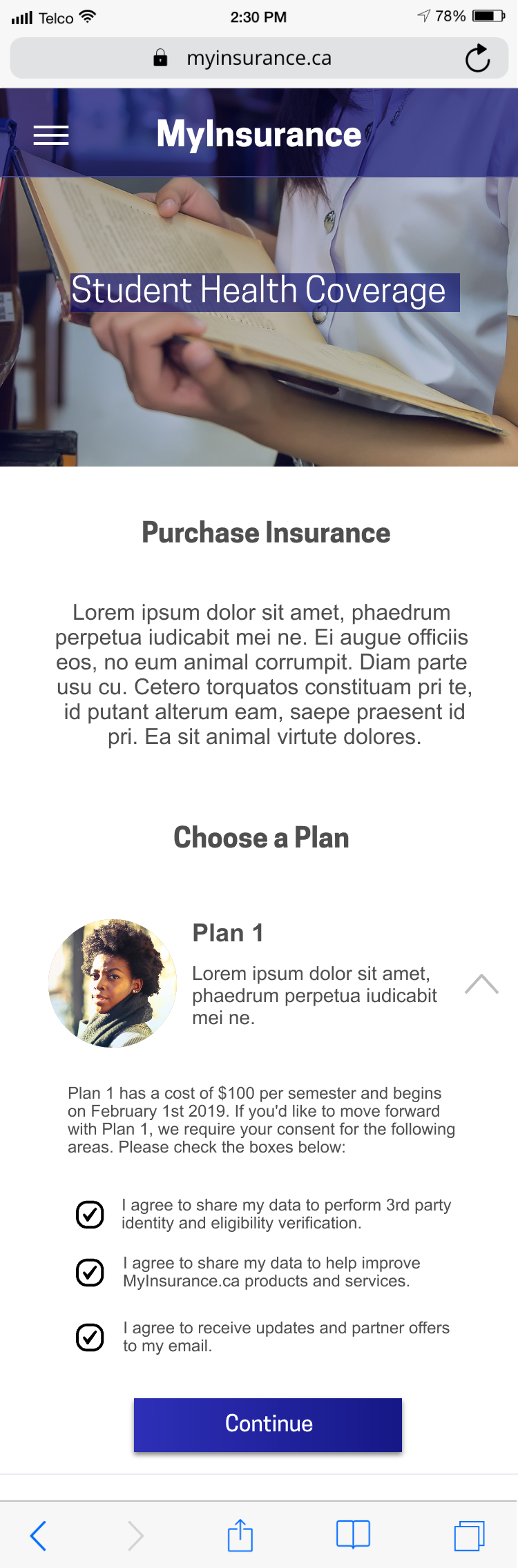
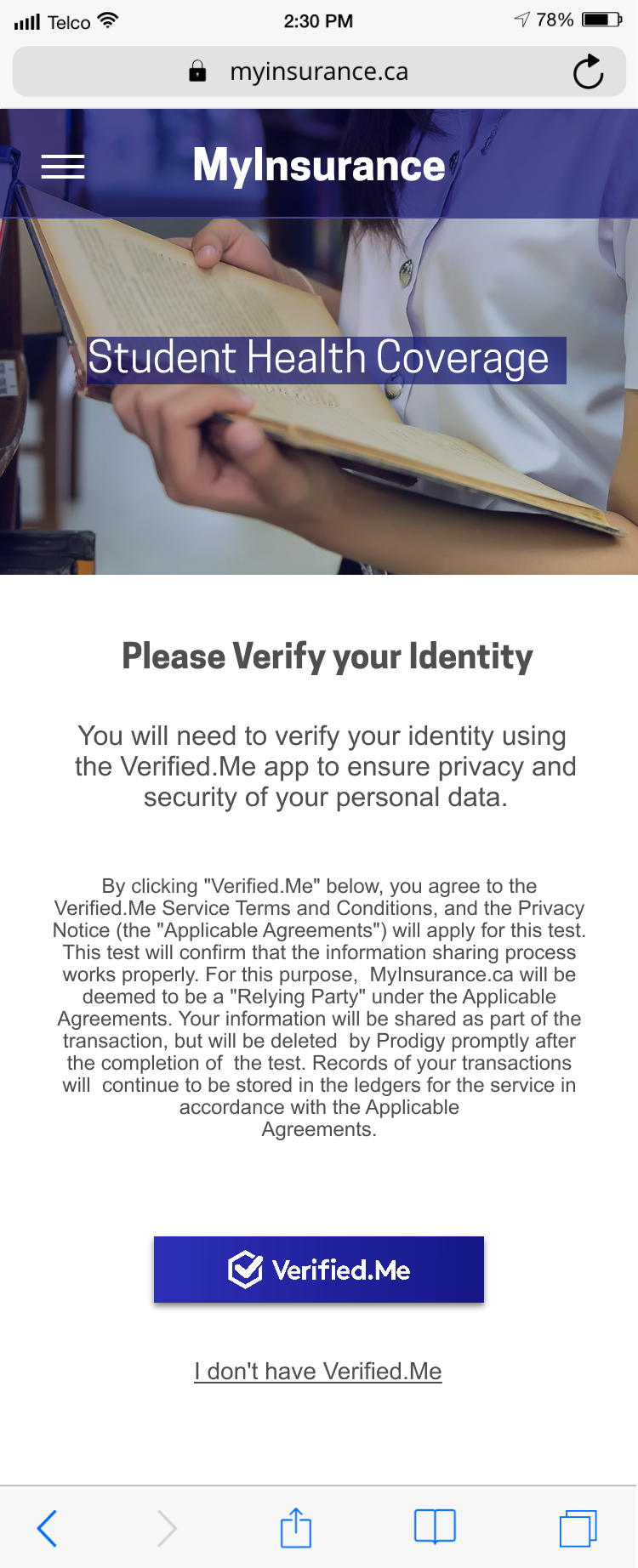
Front End Prototypes

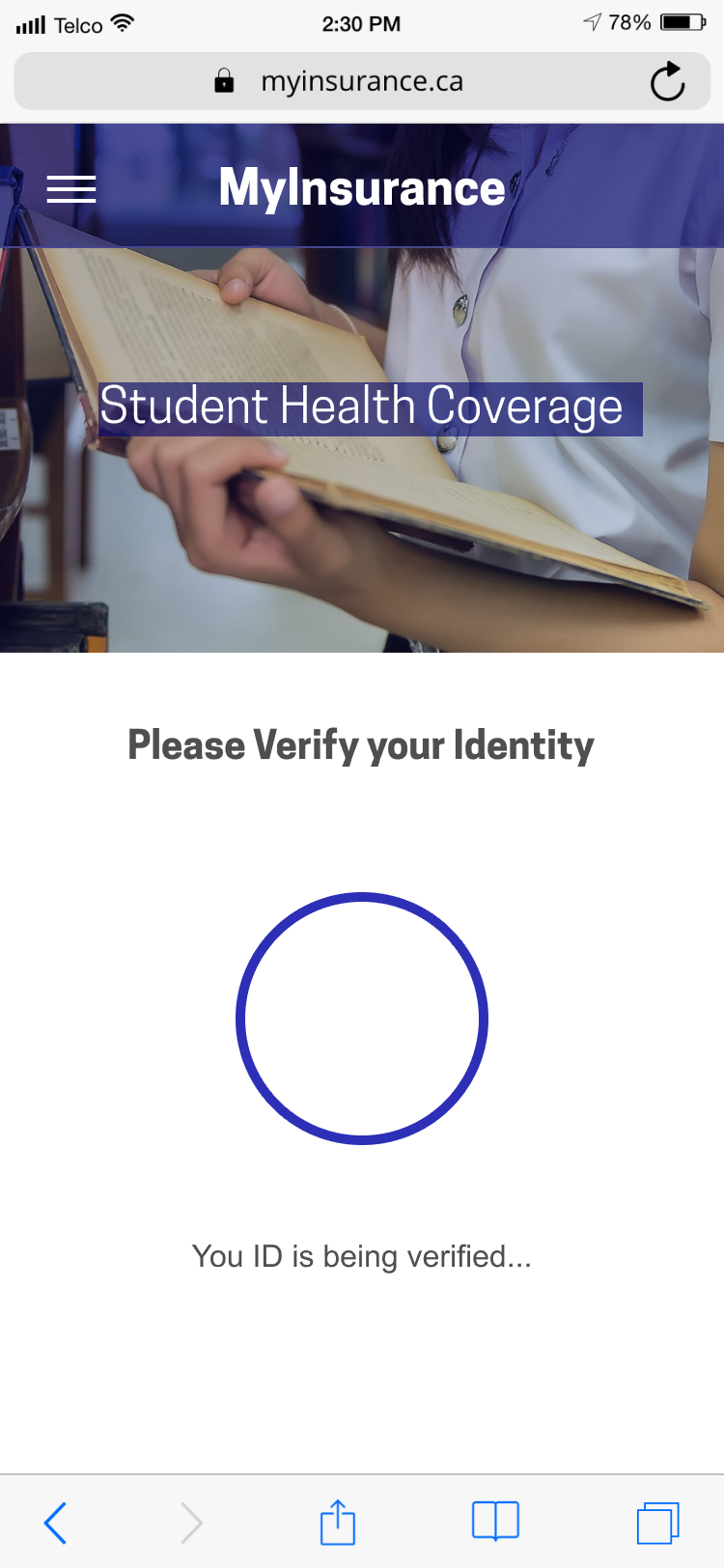
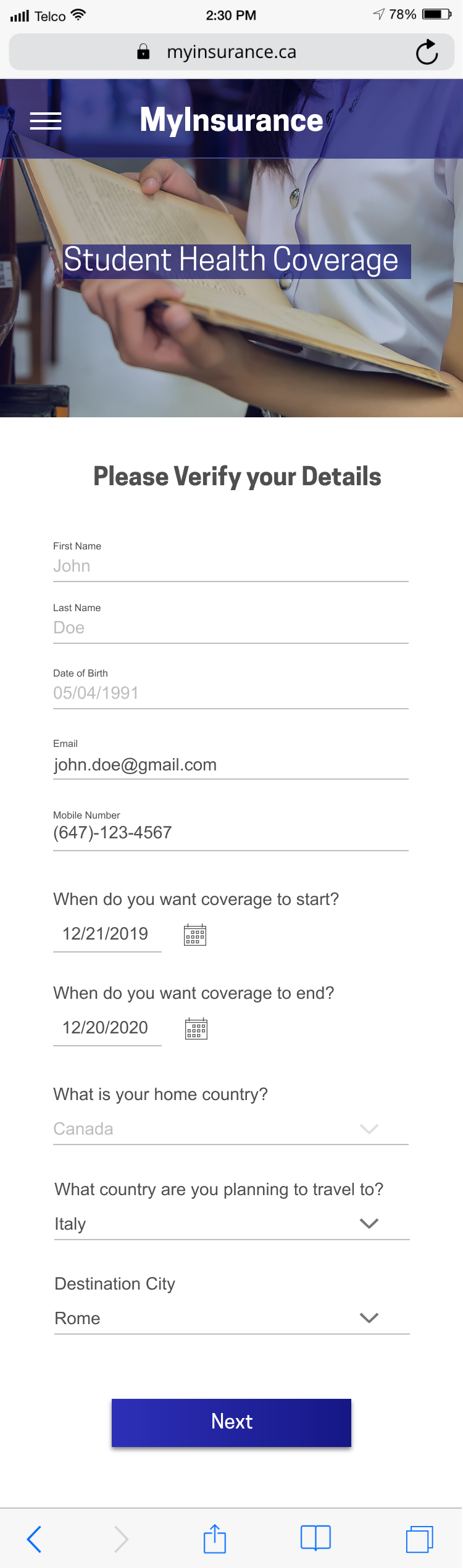
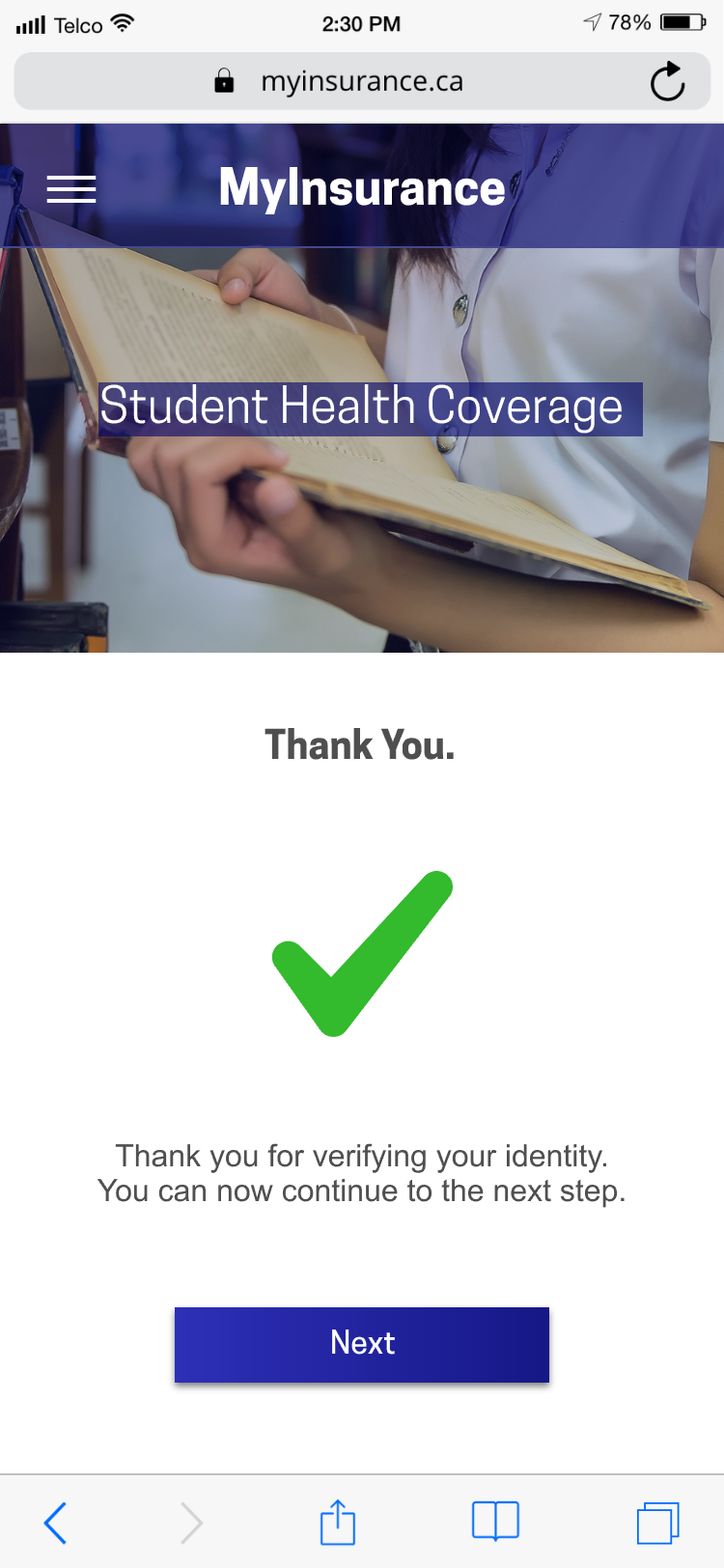
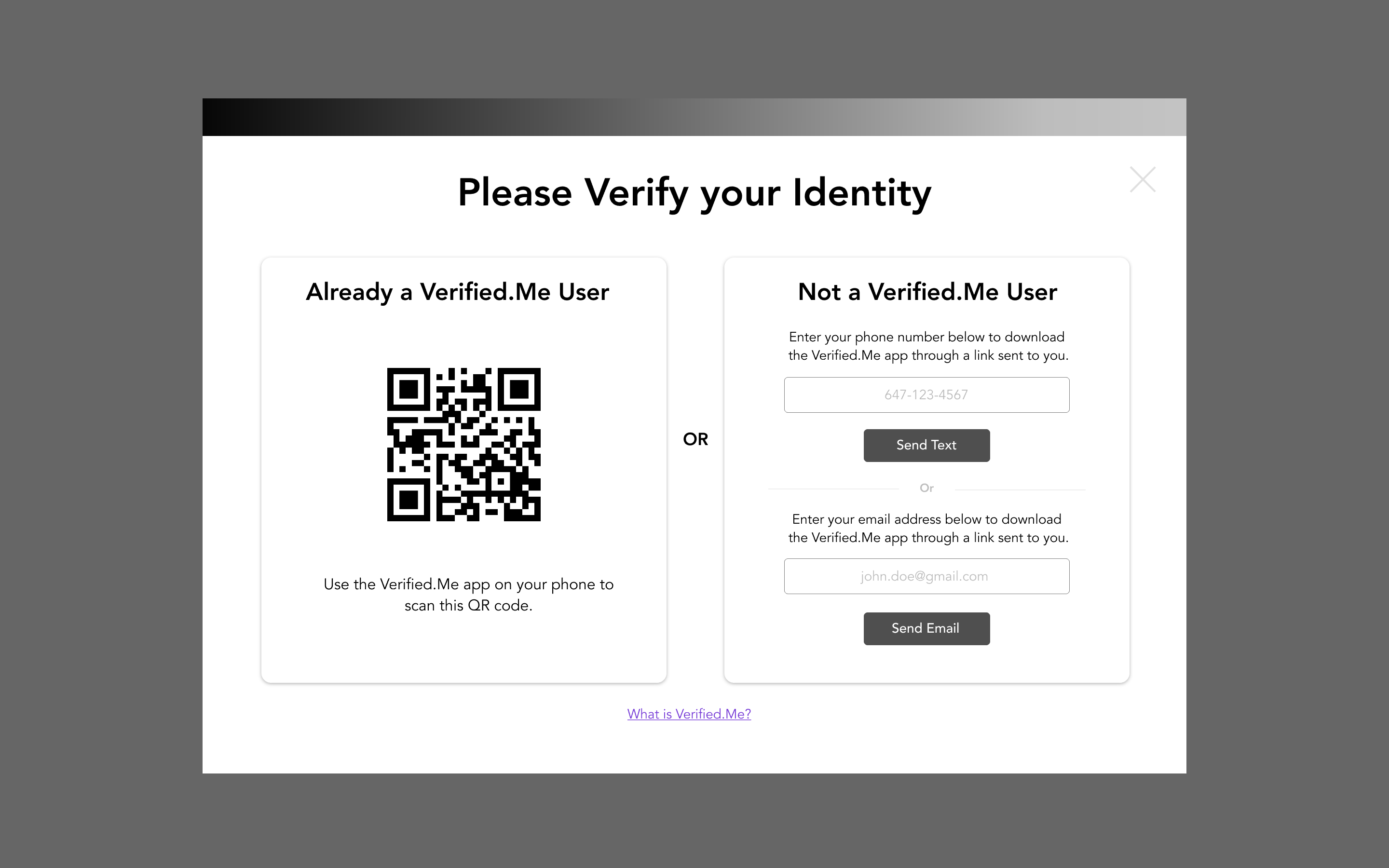
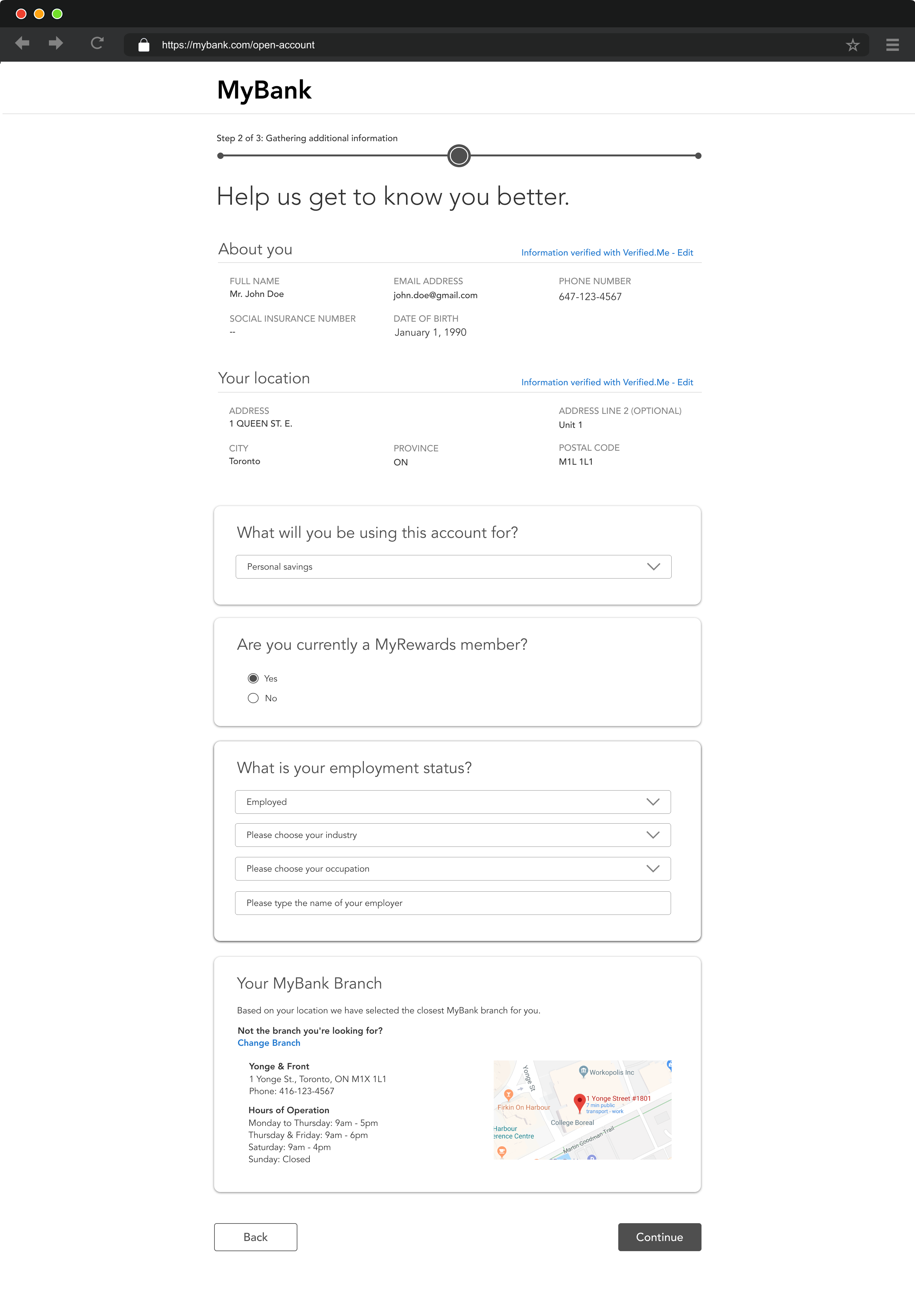
Prototype for Financial Industry

Unbranded pop-up after user clicks on to sign up to a service online.

After verifying their identity, it automatically populates their personal information for user, but the user still needs to fill out the rest of the form.

Pivot

Following another round of interviews with potential users, we discovered:

  • That because each business has unique digital identity requirements, they want the flexibility to tailor the solution accordingly.
  • They often also need to use a variety of different identity providers to fully supply their needs.
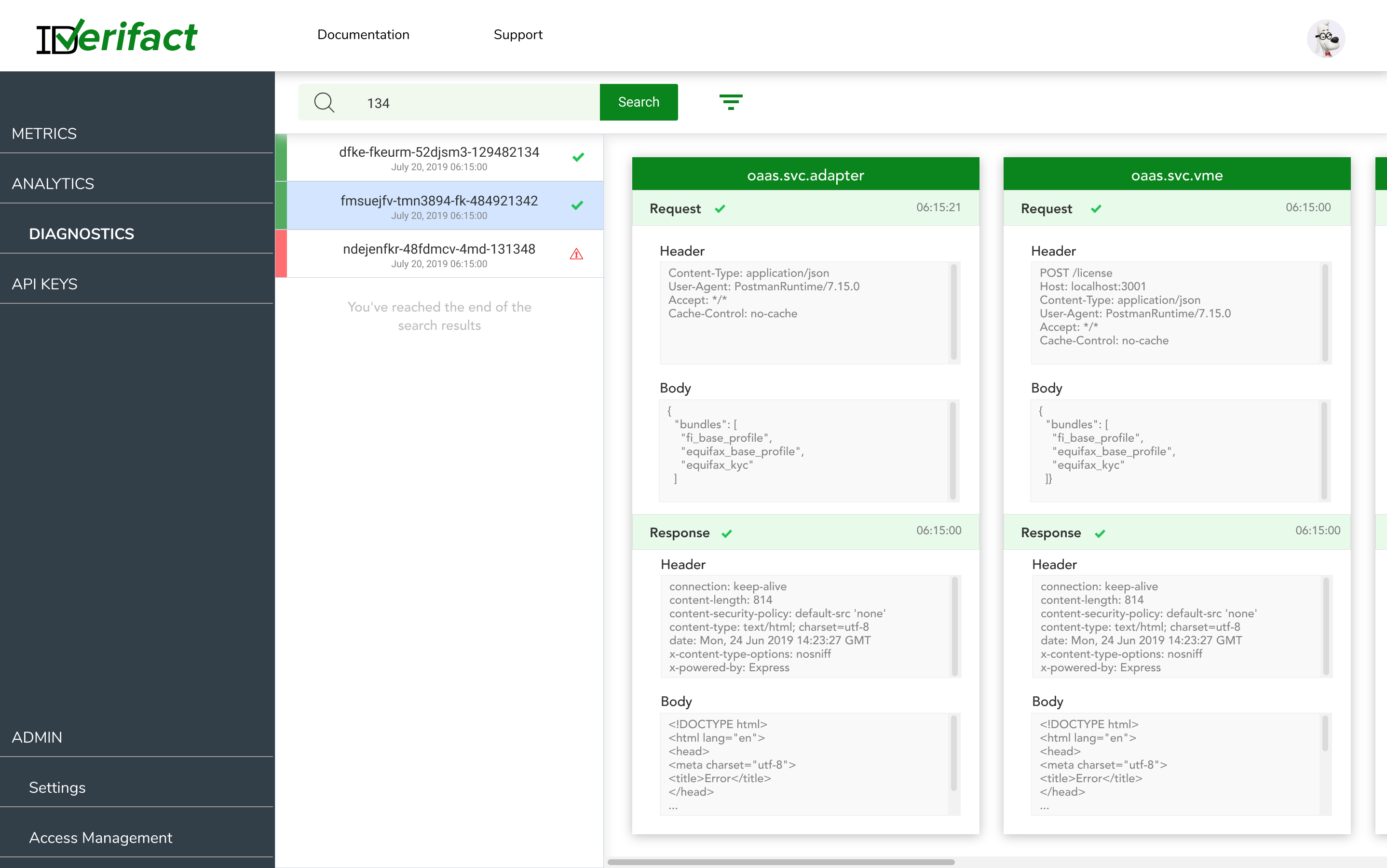
  • They need data on how end-users are using this solution. Including diagnostics to be able to troubleshoot any technical issues.

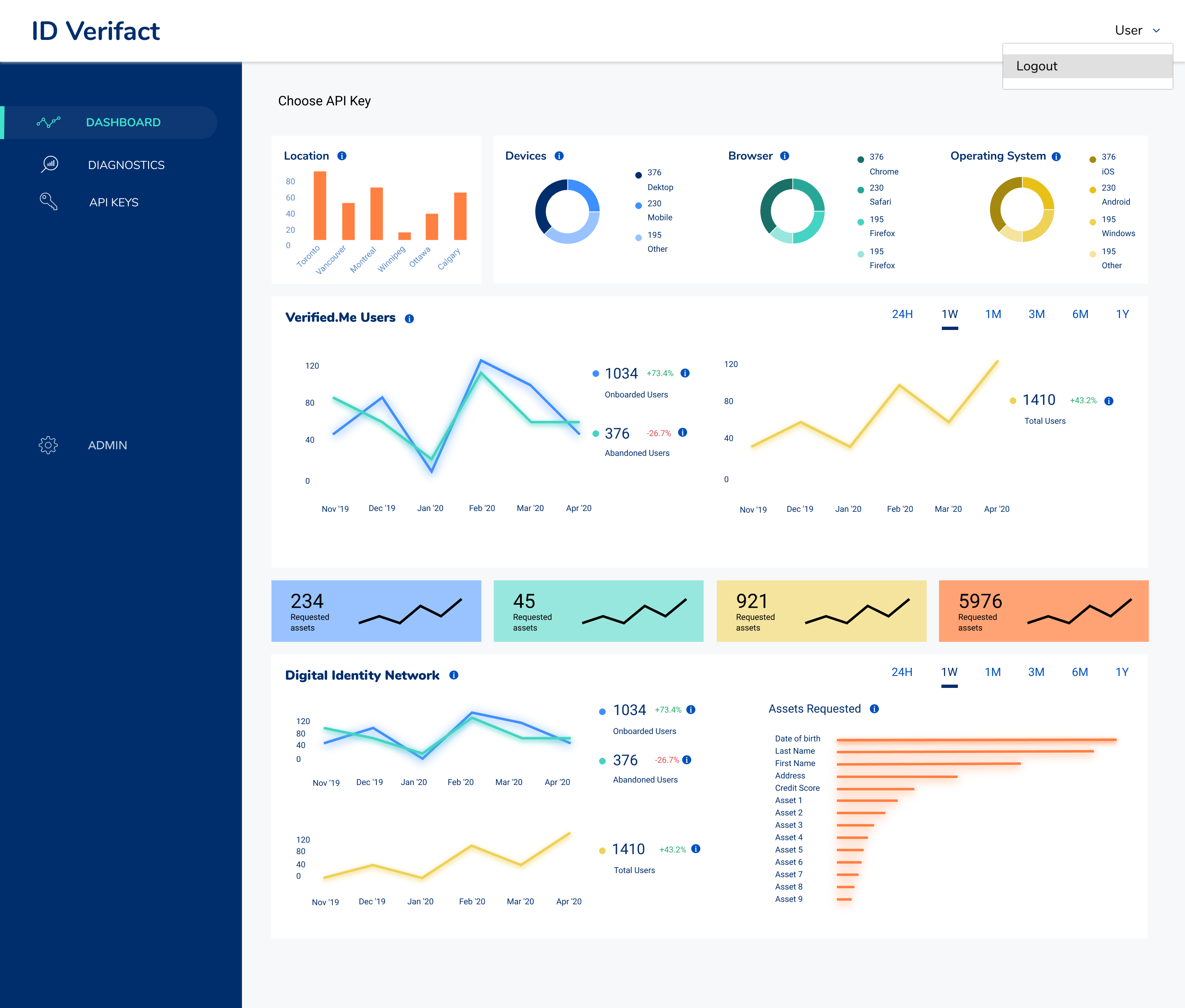
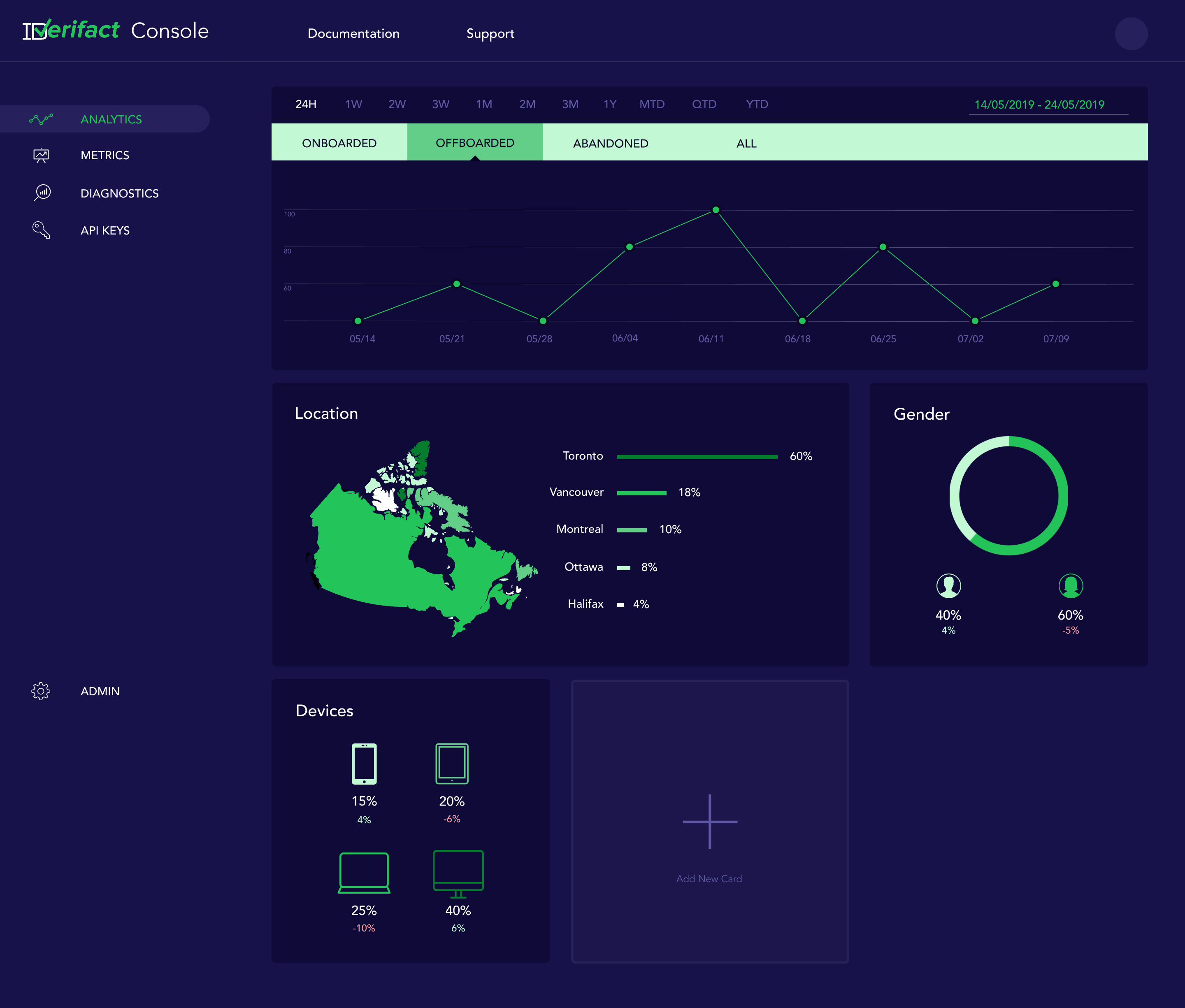
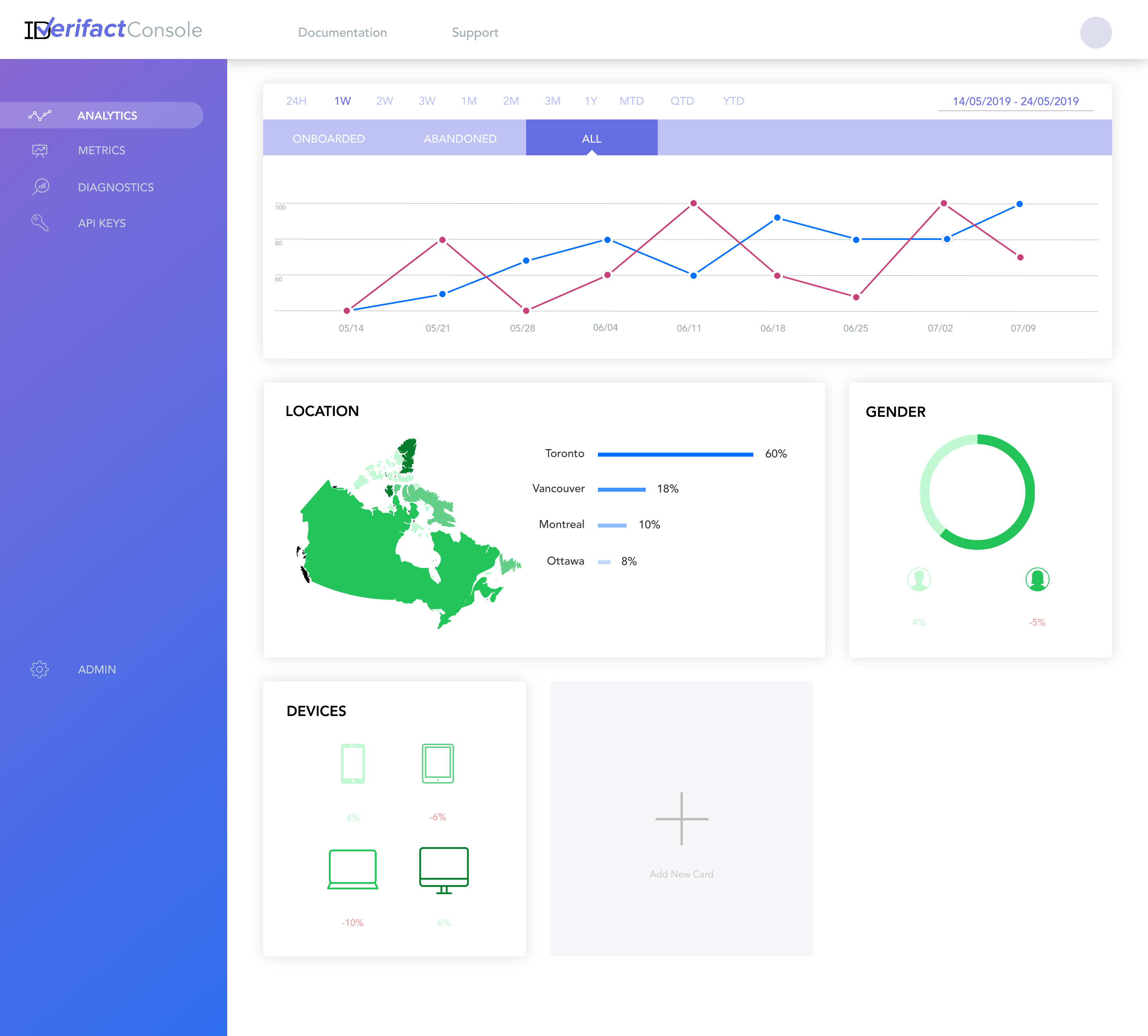
Based on this insight, our team decided to pivot and began designing a customizable dashboard that would allow users to configure their digital identity setup to fit their specific needs. I was tasked with designing an inspirational “dream state” to illustrate what this product could look like in the future.

Dashboard

Console Iterations

These are a few iterations we tried.

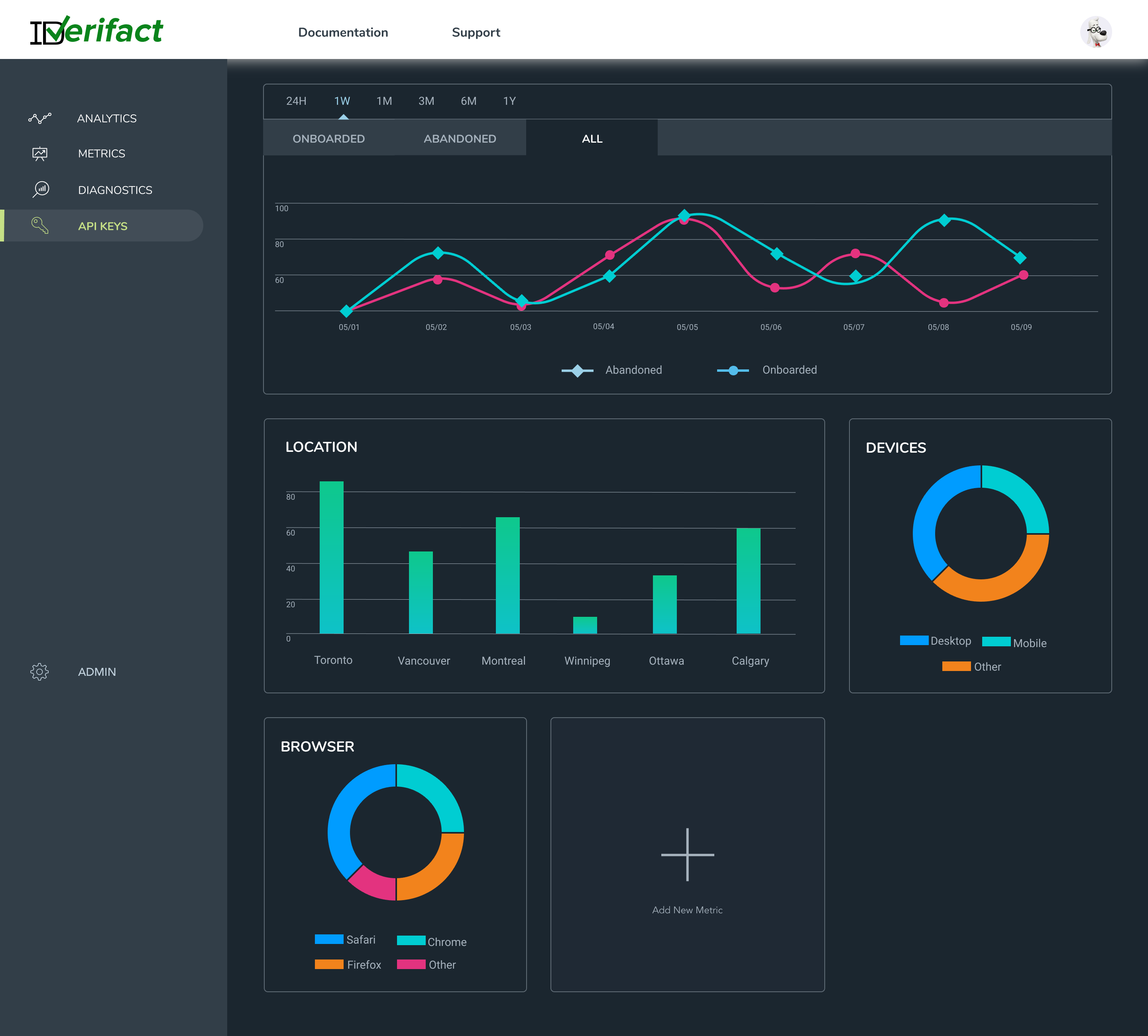
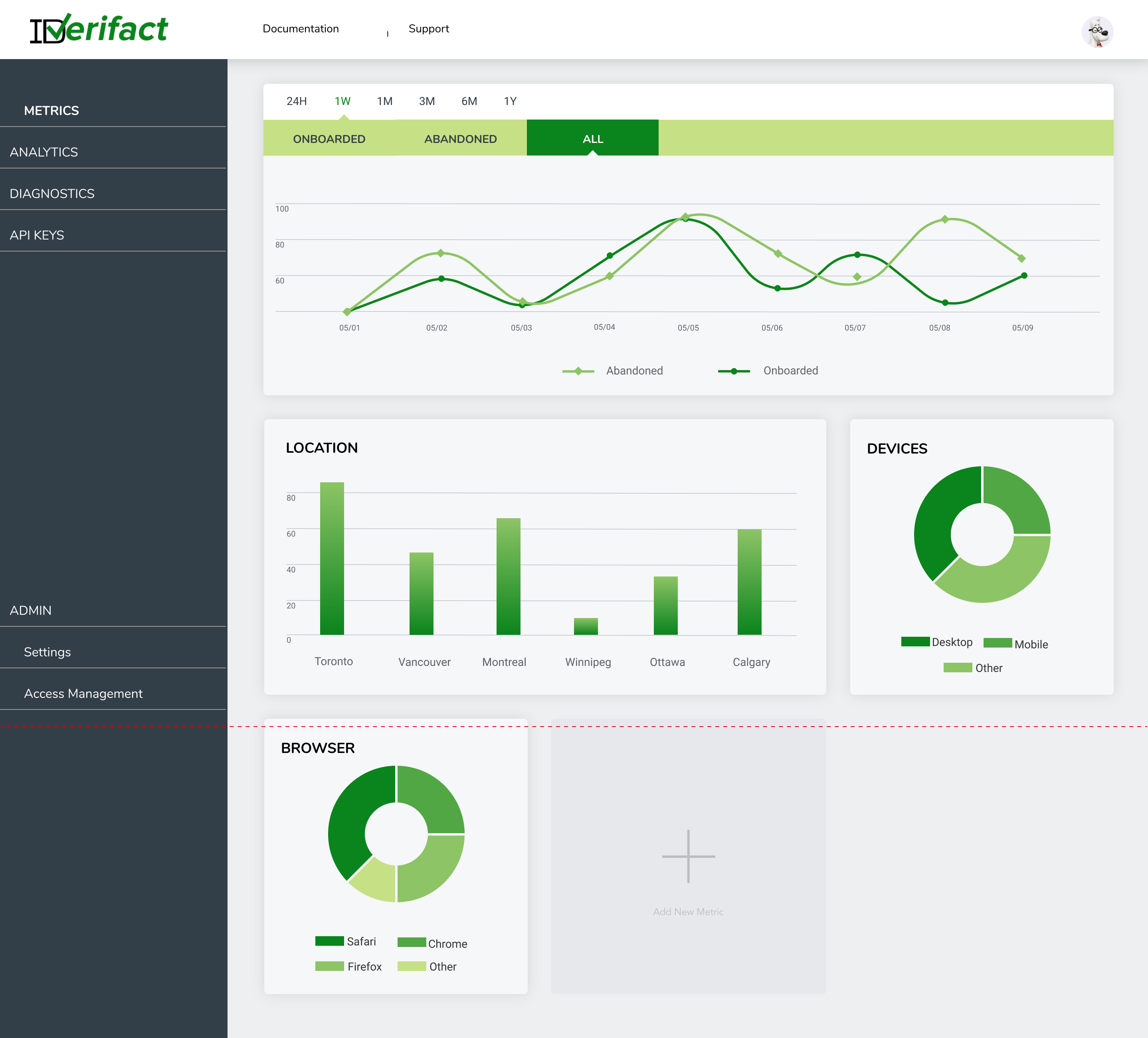
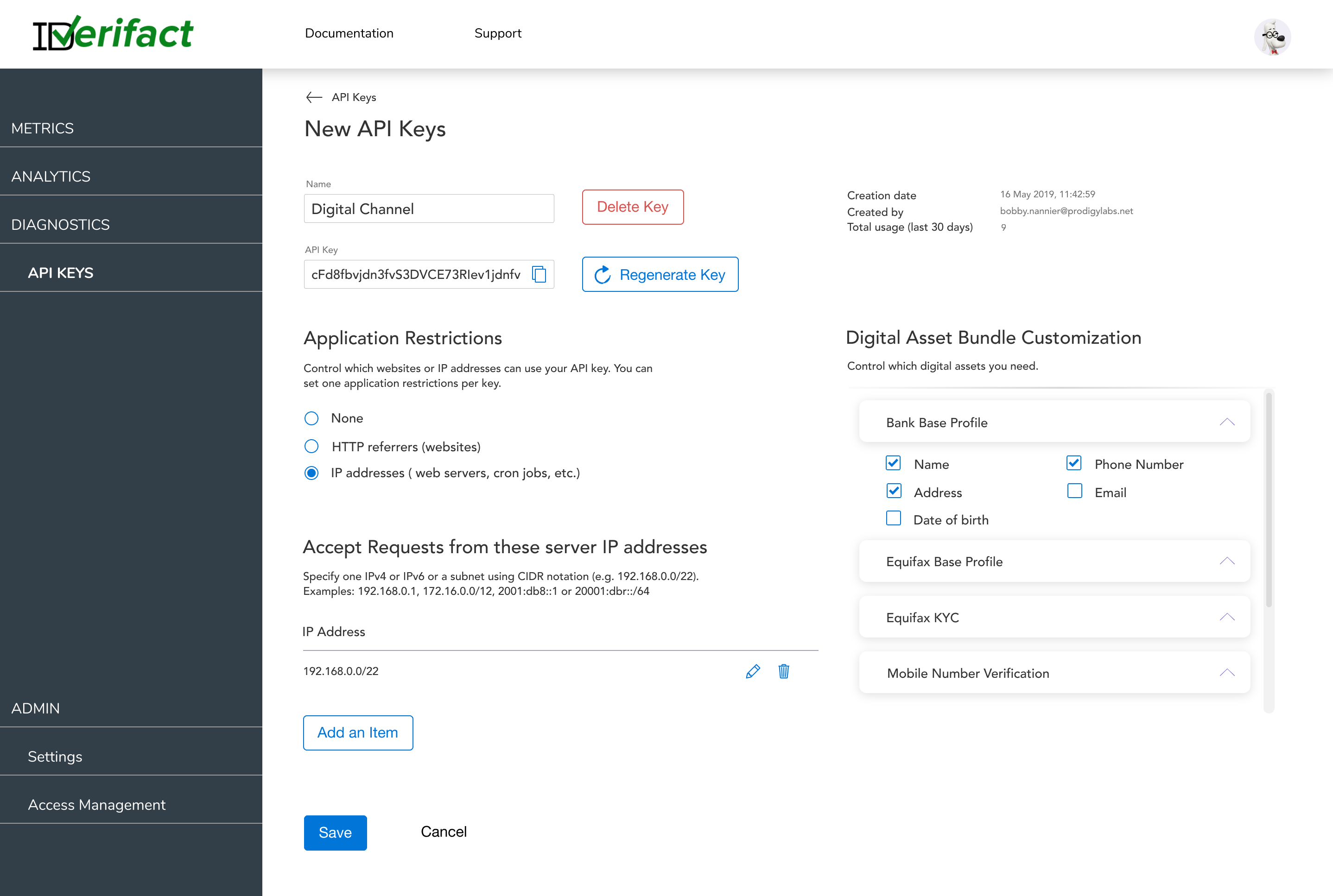
Designing with real life constraints

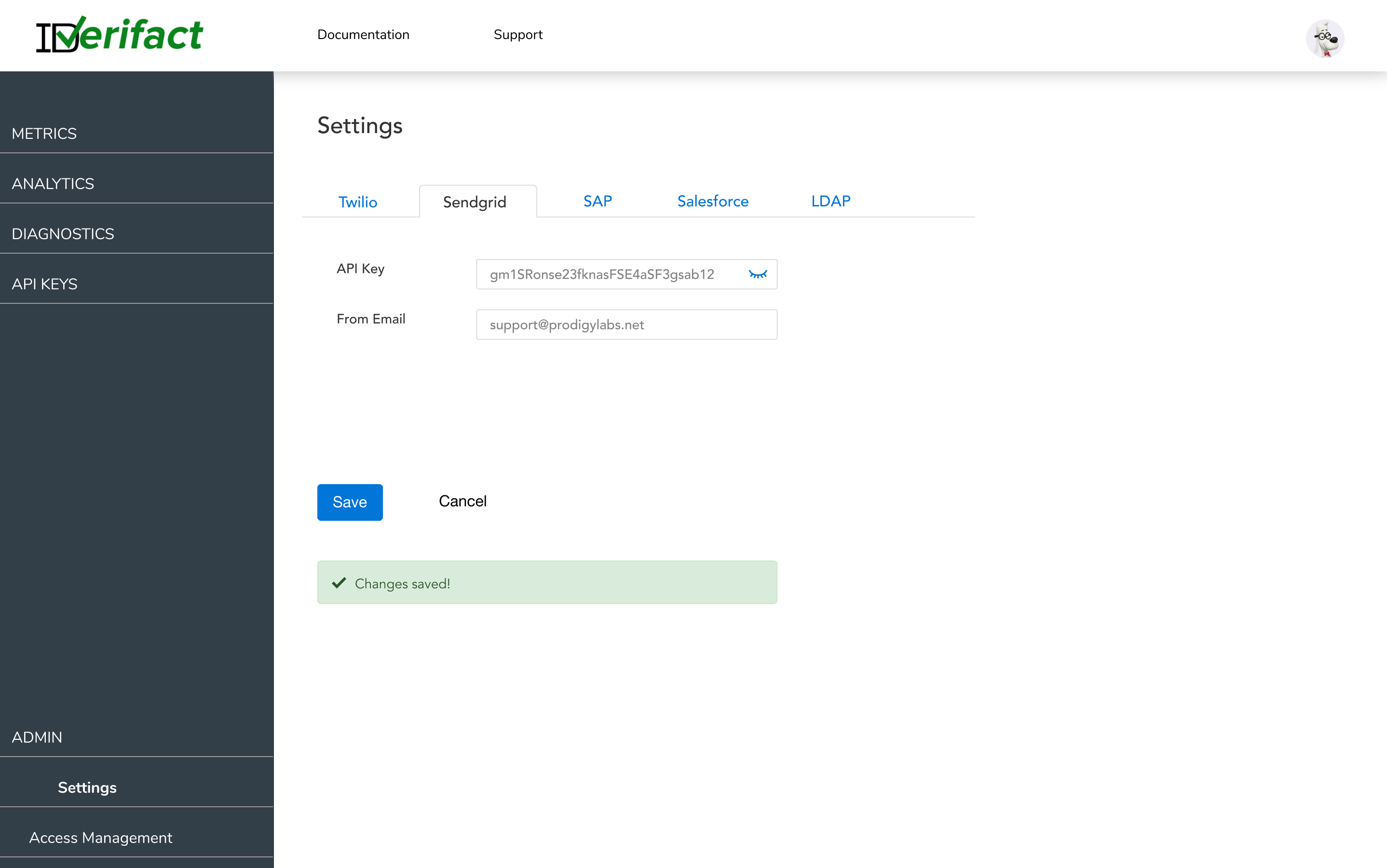
As nice as a dream state is, the reality was that we didn’t have the time or resources to spend developing a custom solution. We decided to develop our first version using Bootstrap. I was tasked with designing a version of the dashboard / console with that in mind.

Results

Although I transitioned to a new project shortly after the first version of the dashboard was completed, the work I contributed laid the foundation for a modular and scalable identity verification platform. During my time on the project:

  • We designed and delivered a variety of working POCs tailored to different industry-specific use cases

  • Our data-driven design decisions helped align the solution with real-world compliance and operational needs

  • The team went on to secure a customer for the platform—an early validation of the product’s market potential

Role

  • Visual Designer
  • Prototypes
  • Design QA

Tools

  • Sketch
  • InVision
  • Miro